


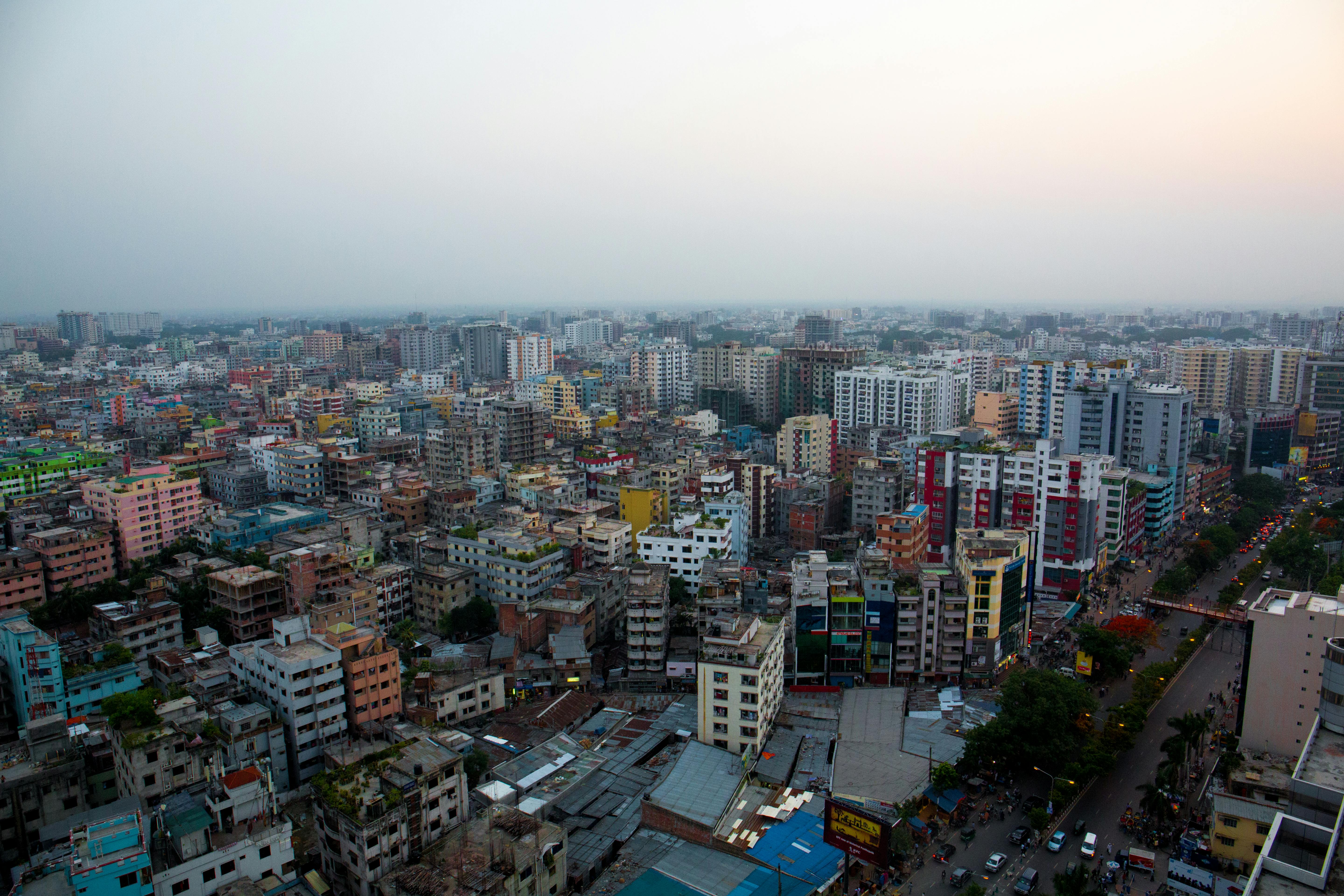
Bangladesh has officially submitted its Nationally Determined Contributions (NDC 3.0) to the UNFCCC, marking a strengthened national commitment to climate action. The new NDC identifies the building and construction sector as one of the country’s largest sources of greenhouse gas emissions and highlights it as a key focus area for mitigation and resilience-building. It focuses on promoting energy-efficient building codes, sustainable construction materials, solarization of public buildings, and retrofitting of existing infrastructure, ensuring stronger alignment with national climate and development goals.
The inclusion of this sector was supported through collaboration between the Department of Environment (DOE) under the Ministry of Environment, Forest and Climate Change (MoEFCC), the Ministry of Housing and Public Works (MOHPW), the United Nations Environment Programme (UNEP), and the United Nations Office for Project Services (UNOPS) and building on the GlobalABC Climate Action Roadmap. This collaboration was undertaken under the framework of the “Transforming the Built Environment through Sustainable Materials in Bangladesh” project, funded by the German Federal Ministry for Economic Cooperation and Development (BMZ) and UNEP's support to countries on NDCs.
Mirza Shawkat Ali, Director (Climate Change & International Convention), Department of Environment, Government of Bangladesh:
The NDC 3.0 marks a significant step forward in Bangladesh’s climate ambition. By integrating the building and construction sector—one of the largest sources of emissions—we are strengthening the foundation for low-carbon, climate-resilient development. This reflects our commitment to translate national policies into measurable actions on the ground.
Dr. Ariful Haque, Joint Secretary, Ministry of Housing and Public Works, Government of Bangladesh:
The inclusion of the building and construction sector in NDC 3.0 reinforces our ongoing efforts to ensure that growth and sustainability go hand in hand. Through the implementation of the Bangladesh National Building Code, energy-efficient design standards, and the promotion of green materials, we aim to make our built environment safer, more resilient, and aligned with the country’s climate goals.
The NDC 3.0 sets out Bangladesh’s pathway toward achieving its 2035 emission reduction goals, including quantified actions for renewable energy deployment, energy efficiency, and sustainable urbanization. Capacity building of relevant institutions will also be undertaken to ensure effective implementation of the new measures.
UNEP and UNOPS supported the Government of Bangladesh in highlighting the central role of the building and construction sector in climate mitigation and adaptation, underscoring the country’s leadership in advancing integrated, sectoral action under its national climate commitments.
Moving forward, the DOE will lead the preparation of the NDC Implementation Plan, with continued collaboration from the MOHPW and the Housing and Building Research Institute (HBRI). UNOPS and UNEP will continue to support these efforts — including the updating and revision of the Bangladesh National Building Code (BNBC) and the implementation of other building-sector initiatives — to ensure that national standards and actions remain aligned with the country’s climate goals.
Learn more about the latest NDCs from Bangladesh here.
For media inquiries, please contact:
Karishma Mahfuz
Email: [email protected]
+8801746660676


