2023-05-30

The Construction, Demolition & Deconstruction Policy Toolkit was developed by members of Recycle Colorado’s C&D Council, a group of industry stakeholders including public, private, and nonprofit sector entities working to support construction, demolition and deconstruction (C&D) materials recovery in Colorado.  The toolkit is currently in draft.

2022-12-12

This guide is part of the Training Pack for waste prevention on construction projects. It provides specific, best practice advice to help with the prevention and reduction of waste as well as recycling of materials on construction sites. In the construction industry site waste may be managed by a third party or parties may be responsible for managing their own waste; this guide is aimed at both groups. 

2015-01-01

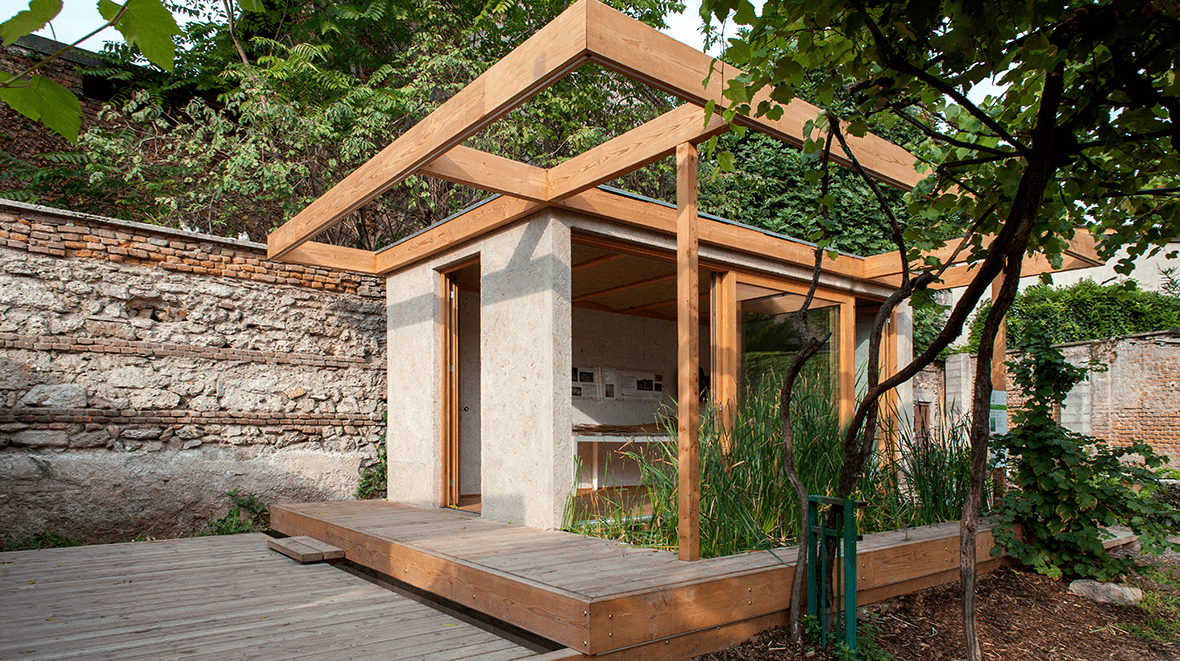
TYPHABOARD is made from typha (cattail), a plant that grows quickly and easily in all kinds of marshes throughout the world.The material provides both structural and insulation properties. It can be used in timber frame structures, or 100% typha strutures. It can also be used as insulation materials when retrofitting existing buildings.

2022-12-10

EIT Climate-KIC has teamed up with a cohort of partners to develop a handbook to help cities reduce embodied carbon in construction.

Globally, buildings account for 39 per cent of carbon emissions, with the share of embodied carbon (arising from manufacturing, transportation, installation, maintenance, and disposal of building materials) becoming more dominant as energy efficiency increases and energy sources become less carbon intensive. Therefore, dramatically reducing this source of emissions in the construction sector is a priority.

2021-06-25

With the ÖKOBAUDAT platform, the Federal Ministry for Housing, Urban Development and Building (BMWSB) Germany provides all stakeholders with a standardized database for the life cycle assessment of buildings. At the heart of the platform is the online database with life cycle assessment data on building materials, construction, transport, energy and disposal processes. With the help of life cycle assessment tools, such as the eLCA provided by the BBSR, the entire life cycle of a building can be compiled with the ÖKOBAUDAT database.

1998-01-01

The International EPD System is the world’s first and longest operational Environmental Product Declaration (EPD) programme, originally founded in 1998 as the Swedish EPD System by the Swedish Environmental Protection Agency (SEPA) and industry.

2022-12-09

The d.Hub toolkit for circular buildings developed by Arup and the Ellen MacArthur Foundation includes a six-step circular design framework; strategies, actions and key performance indicators for circular construction on real estate projects; case studies; tools, as well as guidance on running circularity workshops. Users can also save and track projects on the d.Hub.

2022-12-09

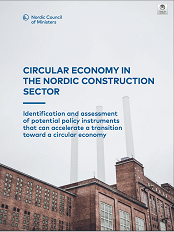
Potential policy instruments that can accelerate a transition toward a circular economy in the Nordic construction sector, including demolition of buildings, are discussed and assessed. Sixteen interviews were carried out with actors representing stakeholders from Denmark, Finland, Norway and Sweden.

2022-12-09

A large part of the construction sector’s emissions come from building products and materials – referred to as embodied carbon. Embodied carbon is increasingly becoming the focus of regulatory bodies, making it a risk factor for developers and investors to price into construction projects.

2022-12-09

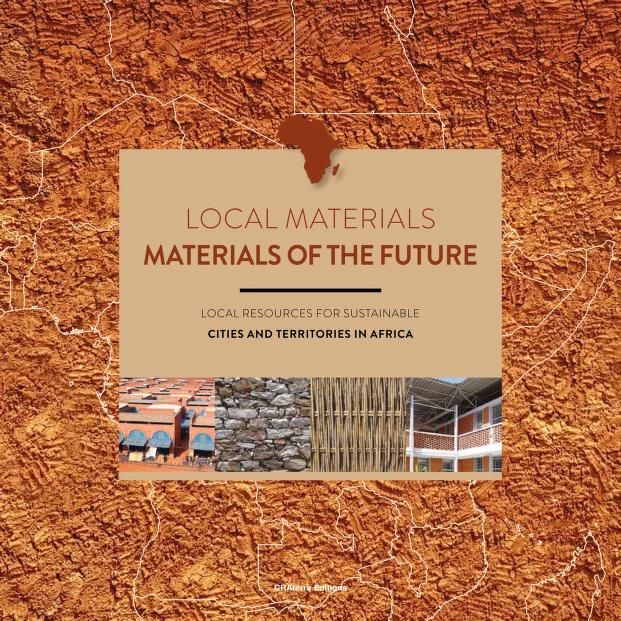
This report aims to promote a sustainable development approach to meet the immense needs in terms of construction in Africa, based on a rational and sustainable use of local materials. To this end, it presents the advantages, challenges and conditions of use of these materials. It presents examples of technical solutions illustrated by a panorama of the potential resources of the territories (bio and geo-sourced). It provides elements of analysis of the impact of local "short circuit" channels and elements of methodology.