2023-07-26


Technological progress has had negative effects as well as positive effects if it affects the life industry and the entire ecosystem significantly through the great consumption of natural resources, and here the construction sector in general and the health sector, in particular, have a role in this.

2023-07-26

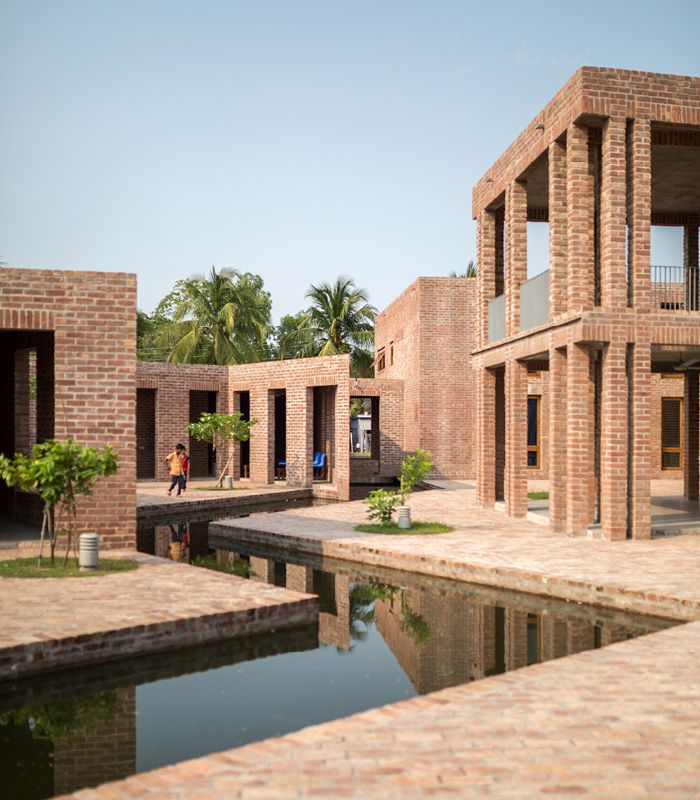
The Friendship Hospital Satkhira, designed by Kasef Chowdhury/URBANA, is built to serve a rural population in the Bangladesh delta. The community hospital of eighty beds was initiated by a donation of land by a local philanthropist.

The construction in bricks built in situ celebrates this ordinary material without having to resort to complex technology leading to increased budgets. Local materials by local craftmanship helps the integration of the building to the native culture and society.

This project won the RIBA International Prize 2021

2023-07-26

Construction commenced on this project in 2006, and it was officially opened in 2009, taking a total of 42 months to complete. The concrete piers of this iconic bridge were constructed using 50% Ecocem GGBS, saving thousands of tonnes of CO2 and greatly increasing the bridge's lifespan.

2023-07-26

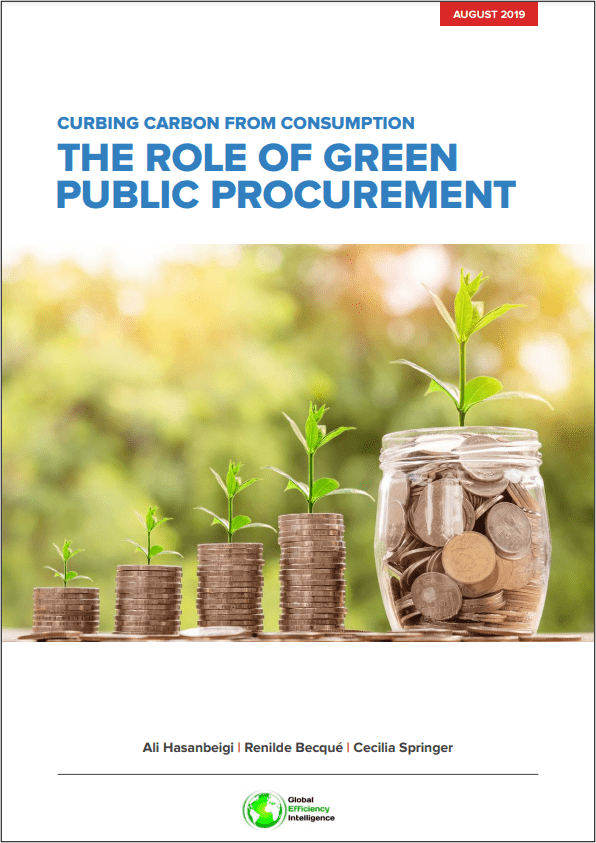
Because public entities exercise large-scale purchasing power in contracts for goods, services, and construction of infrastructure, policies prioritizing environmentally and socially responsible purchasing can drive markets in the direction of sustainability. In fact, public procurement accounts for an average of 12 percent of GDP in OECD countries, and up to 30 percent of GDP in many developing countries.

2023-07-26

As the need to stem climate change gains in urgency virtually by the day, new environmentally sensitive practices and policies targeted at limiting the global average temperature increase to 1.5°C above pre-industrial levels are essential. This is particularly relevant in the manufacturing of cement – the key ingredient in concrete. The world is in the midst of an infrastructure and building boom as new economies emerge and developed economies expand.

2023-03-01

Almost half of a building’s emissions are hidden, embodied in the processes of extraction, manufacturing, transportation, construction, maintenance, retrofitting, demolition and end-of-life treatment. Reducing the impacts of construction and the emissions associated with it will require a significant shift in business-as-usual construction practices.

2023-05-30

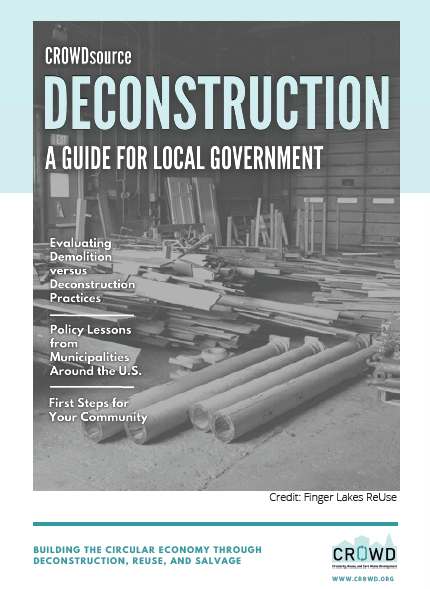
Evaluating demolition versus deconstruction practices - policy lessons from municipalitites around the US.

Faced with housing crises, aging building stock, landfill concerns, and climate impacts to the builtenvironment, municipalities and states are increasingly turning  their attention to deconstruction and building material reuse as an alternative to demolition.

2022-12-09

In this report, RMI provides a roadmap for how the US federal government can reduce embodied carbon emissions from public building projects over the next 30 years and outlines strategies for agencies to facilitate the broader movement to decarbonize the building industry and industrial supply chains. The core strategies underpinning the roadmap to zero embodied carbon by 2050 are:

2021-09-01

A comprehensive resource for cities and other government bodies seeking to develop strategies, action plans and policies to tackle embodied carbon. The report identifies and assesses policy types and urban planning approaches to create a sustainable built environment in terms of embodied carbon, with best practices drawn mostly from cities in Europe and North America alongside new policies that have yet to be implemented.