2024-03-05

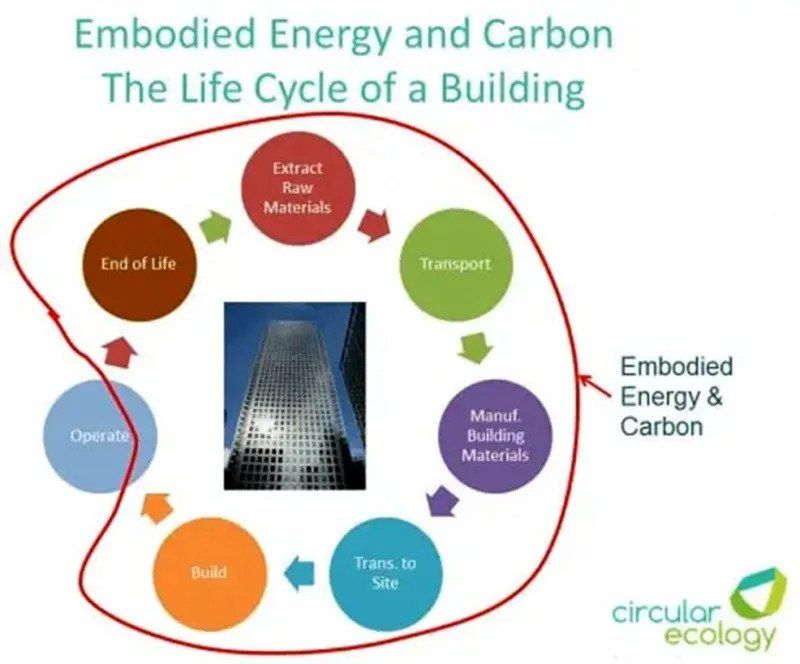
This guidance is primarily aimed at public procurers involved in a range of contracting agreements related to building materials and products. This includes the purchase of building materials for construction works, but may also extend to material extraction, manufacturing, building, retrofit, refurbishment, design, interior fit out, and end-of-life demolition or deconstruction processes. 

2023-07-21

Gypsum is widely used in the construction sector, and its worldwide consumption has been increasing for several decades. Depending on the lifetime of the used gypsum products, an increase of gypsum in construction and demolition waste follows. Especially against the background of a circular economy, the recycling of waste gypsum is of growing importance. However, the use of recycled gypsum only makes sense if it is environmentally friendly.

2022-12-10

From the Healthy Materials Lab, five case studies profiling affordable housing projects utilising healthier materials.

2019-11-10

The Inventory of Carbon and Energy (also know as the ICE database) is an embodied carbon database for building materials which is available for free on this page. It contains data for over 200 materials, broken down into over 30 main material categories. The first version was released in 2005 and it has been updated at periodic intervals. 

2019-01-01

The Construction Material Pyramid from CINARK at the Royal Danish Academy makes it possible to compare, for example, CO2 footprints between different categories of materials or between material types within the same category. It also makes it possible to view different kinds of environmental impacts across the different materials. It thus offers a tangible, interactive calculation tool and at the same time opens up a dialogue about more detailed studies of the materials’ position in the pyramid and later their place in the project design.

2022-12-07

With the built environment responsible for almost 40% of energy-related carbon emissions globally, we must find new ways to design and construct our cities.  

Reuse of materials is a key principle within a circular economy, ensuring material value is maintained for as long as possible. Use of reclaimed materials in construction has the potential to reduce the embodied carbon of construction, minimising the need for virgin material extraction and production as well as reducing volumes of waste generated and other negative externalities.