Photo showing palm trees by alevision.co, via Unsplash

Climate

It is vital to ensure that the selection of building materials is appropriate for the climate in which they are used. Material performance can strongly vary, depending on the conditions to which buildings are exposed. For example, some structural materials have more appropriate thermal properties for hot or tropical climates than others, enabling better heat retention or cooling when these properties are needed. Earth based construction is not a new strategy, but one that has fallen out of favour in the last century as preferences for materials such as concrete and steel grew.  Beyond being a more appropriate material choice in some contexts, earth construction can reduce the need for brick firing or production of synthetic binders and additives, reducing fuel and material consumption, as well as reducing health risks from air emissions and chemical use.

However, a material with improved sustainability performance in one region may not provide the same in-use performance in another, and a whole lifecycle thinking approach can help ensure that material choices are optimal. Additionally, sustainability hotspots can vary between regions. For example, there may be increased impacts from extraction in one region that are not experienced elsewhere, and from increased transportation distances. The expertise of installers with a material, ability of the local supply chain to meet demand and ensure quality, and the availability of infrastructure for end-of-life processing all bear consideration when determining if a material is appropriate for a particular climate.

6
Source: United Nations Environment Programme (2023). Building Materials and the Climate: Constructing a New Future. Nairobi

However, in some cases, learnings from material selection and market development can be transferred from one region to another where there are similarities in the climate. The Hub uses the Köppen-Geiger classification, which categorises regions as Tropical, Dry, and Temperate, according to the map below. Resources that apply to a particular climate are organised accordingly.

Map of Köppen-Geiger climate classification

map


Note: Tropical (A - regions Af, Am, Aw), Dry, (B - regions BWh, BWk, BSh, BSk) and Temperate (C - regions Csa, CSb) are used in the Sustainable Building Materials Hub to categorise resources where climate considerations apply.
Source: Beck, H.E., Zimmermann, N. E., McVicar, T. R., Vergopolan, N., Berg, A., & Wood, E. F., CC BY-SA 4.0 <https://creativecommons.org/licenses/by-sa/4.0>, via Wikimedia Commons
Filters +
View results
2023-07-26

The informal settlements in the Global South, mostly comprising of inadequate building solutions, are growing rapidly, therefore calling for more sustainable construction interventions and upgrading strategies. Within this context, this study considers that appropriate construction strategies are capable of engaging with the local economy, affected by endemic poverty, therefore contributing to the improvement of the settlement's socio-economic and physical conditions at once.

2023-07-26

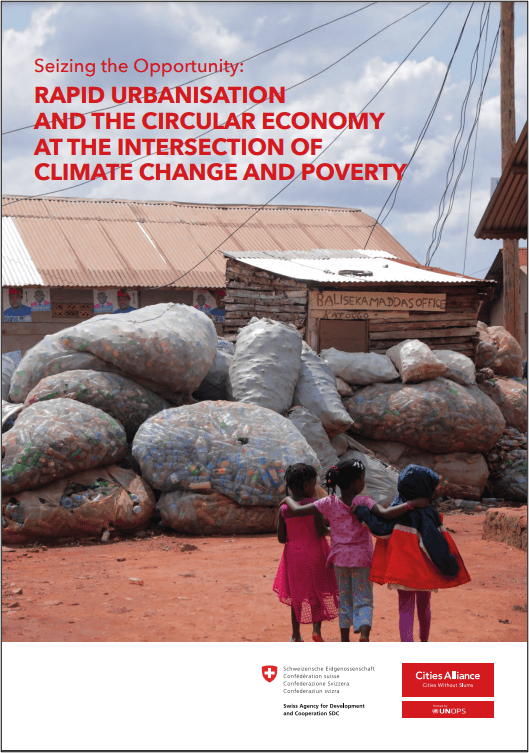
Rapid urbanisation and climate change are two of the major challenges of our time. People living in cities' poorest areas are agents of change both in terms of climate mitigation and adaptation.

This new publication explores the intertwining nature of circular economy, urbanisation and poverty.  It looks at how existing approaches of circularity and the informal economy can be taken up and reinforced to find solutions to these challenges.

2023-07-26

The emerging demand for sustainable development and the need for efficient use of resources across the built environment have stirred research efforts globally. The construction sector is often regarded as one of the major world consumers of resources, so many international establishments are trying to create a sustainable environment through adaptive reuse of existing building stocks, a concept which has been receiving momentous recognition by reason of its richly diversified applicability for circular economy.

2023-07-26

As the need to stem climate change gains in urgency virtually by the day, new environmentally sensitive practices and policies targeted at limiting the global average temperature increase to 1.5°C above pre-industrial levels are essential. This is particularly relevant in the manufacturing of cement – the key ingredient in concrete. The world is in the midst of an infrastructure and building boom as new economies emerge and developed economies expand.

2023-07-26

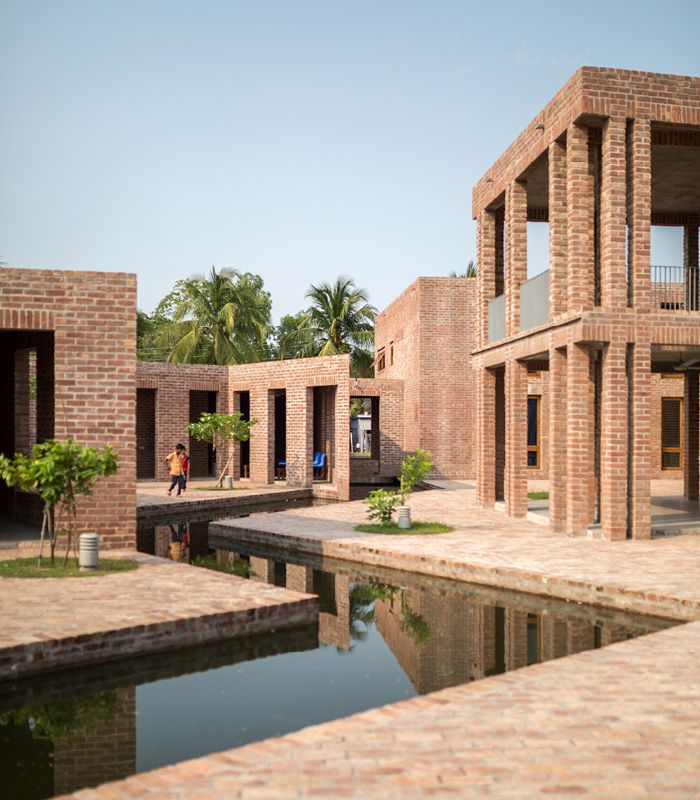
The Friendship Hospital Satkhira, designed by Kasef Chowdhury/URBANA, is built to serve a rural population in the Bangladesh delta. The community hospital of eighty beds was initiated by a donation of land by a local philanthropist.

The construction in bricks built in situ celebrates this ordinary material without having to resort to complex technology leading to increased budgets. Local materials by local craftmanship helps the integration of the building to the native culture and society.

This project won the RIBA International Prize 2021

2023-07-26

Since 2002, the United States Federal Government has outlined its intent to advance sustainable building principles and practices throughout its portfolio established through a number of statutory and executive policies that every Federal agency has integrated and utilized. 

2023-07-26

Building with natural materials has proven to be a sustainable approach in addressing the needs of affordable and healthy housing and improving living conditions in informal settlements in an era of ecological transition. In view of this, the use of bamboo as a building material is considered a promising practice. However, although many traditional building techniques incorporate the use of bamboo, its application in contemporary informal settlements is disputed.

2023-07-26

A pioneering passive house retrofit in Sri Lanka creates an economic catalyst and model for sustainable development.

The Star Innovation Center is a product development facility located outside of Colombo in Katunayake, Sri Lanka. Planned as a global model for the entire garment industry, the project sets a new high bar for sustainability, energy efficiency and worker comfort.

2023-07-26

Cities have been built on the benefits of density, proximity, and connectivity. However, the recent COVID-19 pandemic, along with continuously evolving communication technologies, has seen an increase in vacancies and underuse of urban buildings, challenging the agglomeration benefits of cities and our understanding of business-as-usual.

2023-07-26

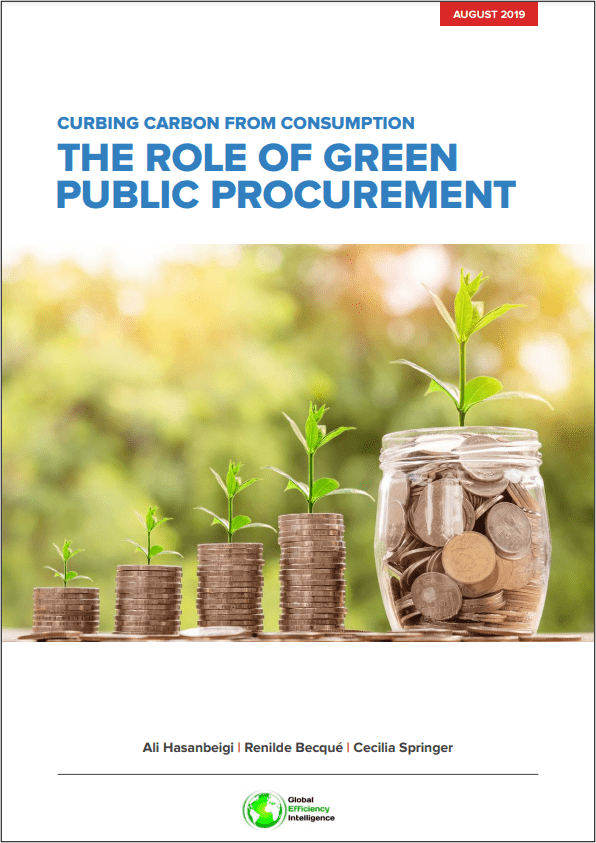
Because public entities exercise large-scale purchasing power in contracts for goods, services, and construction of infrastructure, policies prioritizing environmentally and socially responsible purchasing can drive markets in the direction of sustainability. In fact, public procurement accounts for an average of 12 percent of GDP in OECD countries, and up to 30 percent of GDP in many developing countries.