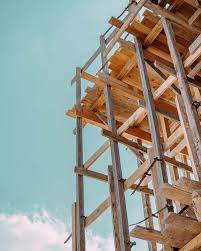
Photo showing construction cranes. By Ej Yao via Unsplash

Life cycle stage

Life cycle thinking is a crucial part of planning, decision making, and actions to improve the sustainability of construction and building and construction materials. ​​A whole life cycle approach requires consideration of the environmental impact of material choices before the materials are even extracted, and then at each phase of the building lifecycle, from extraction to processing, installation, use and demolition. This means thinking about how the choice of materials affects everything from the functioning of regional ecosystems, to the amount of heating or cooling needed, and how, at the end of their use, these materials can provide a bank of resources to then be re-used. 

This approach is core to tackling the challenges of reducing whole life carbon emissions of buildings, improving material efficiency and the circularity of processes, making building materials chemically safer, and addressing social hotspots in the material life cycle. Failing to consider the whole life cycle in decision making can lead to unintended trade-offs between environmental, social or economic issues that inhibits progress towards sustainable development.

Policymakers play a crucial role to support stakeholders in decarbonizing materials throughout their entire life cycle, from extraction and processing to installation and demolition. Although there are various recommendations for individual stakeholders like manufacturers, architects, owners, and builders to improve the carbon footprints of buildings, these efforts often face challenges due to interdependencies, which means they cannot achieve significant impacts on their own. Instead, stakeholders need simultaneous support to take complementary actions.

5
Source: United Nations Environment Programme (2023). Building Materials and the Climate: Constructing a New Future. Nairobi

For instance, designers, owners, and communities may want to use more recycled materials, but they are hindered by the gap between supply and demand. Closing this gap requires cities to introduce and enforce building codes that promote the use of 'circular' material components, enabling the re-use of materials at the end-of-life. Even incremental improvements across different life cycle phases can synergistically contribute to reducing emissions more effectively than focusing on isolated changes.

Yet, to scale up and have a meaningful impact, all these shifts and improvements require coordinated efforts across producers, designers, builders, and communities, considering the entire life cycle of buildings.

The Hub features a range of research papers, guidance on methodology and case studies that demonstrate taking a whole life cycle approach to improving the sustainability of building materials. Additionally, some resources focus more on a particular life cycle stage, such as recommendations for end-of-life actions to improve circularity. These can be accessed by selecting a particular life cycle stage from the menu.

The Hub also supports the approach of the UNEP Life Cycle Initiative. This is a public-private, multi-stakeholder partnership enabling the global use of credible life cycle knowledge by private and public stakeholders, with building materials being a key focus area for promoting best practice in life cycle thinking.
Filters +
View results
2022-12-09

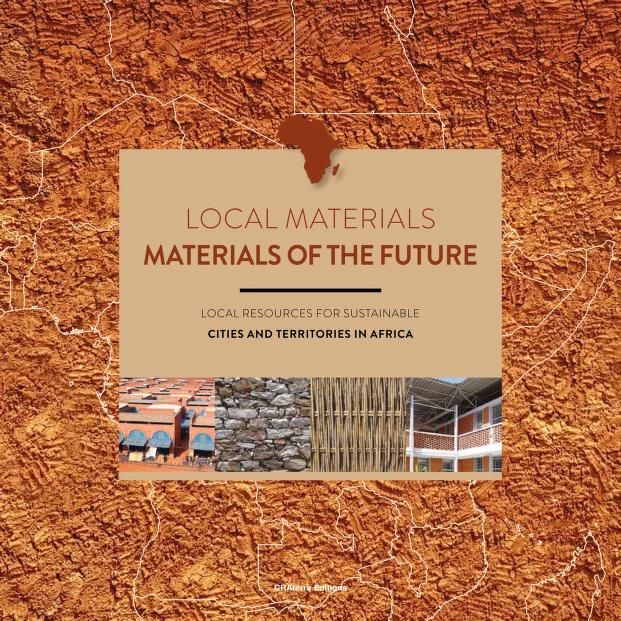
This report aims to promote a sustainable development approach to meet the immense needs in terms of construction in Africa, based on a rational and sustainable use of local materials. To this end, it presents the advantages, challenges and conditions of use of these materials. It presents examples of technical solutions illustrated by a panorama of the potential resources of the territories (bio and geo-sourced). It provides elements of analysis of the impact of local "short circuit" channels and elements of methodology.

2022-12-09

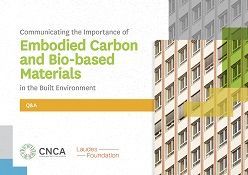
A large part of the construction sector’s emissions come from building products and materials – referred to as embodied carbon. Embodied carbon is increasingly becoming the focus of regulatory bodies, making it a risk factor for developers and investors to price into construction projects.

2022-12-09

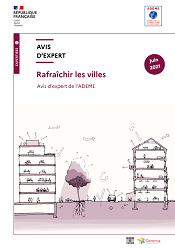
Urban cooling is a recent subject and the knowledge produced by research and the first experiments give various results, sometimes difficult to decipher for operational actors.

This guide offers a synthetic, multi-criteria and operational approach to emerging or proven solutions, adapted to different climatic and urban contexts. It is a question of clarifying the decision of the public and private actors, as well on their choices of installation, construction, renovation of the buildings as of installation of the external spaces.


2022-12-09

This report - Sri Lanka Roadmap for Sustainable Housing and Construction 2020 – 2050 - presents the findings of the Sustainable Building Construction Country Assessment for Sri Lanka (SBC-CA) and a Roadmap for Sustainable Housing and Construction and achieving NDCs in the construction industry in Sri Lanka. It examines the current status, and potential opportunities and challenges for adopting Sustainable Building Construction (SBC) practices and policies.

2022-12-09

The Transition Pathway Initiative Global Climate Transition Centre (TPI Centre) is an independent, authoritative source of research and data into the progress being made by the financial and corporate world in making the transition to a low-carbon economy.

2022-12-09

China is the world’s largest producer and consumer of cement. The industry accounts for 13 percent of the country’s total carbon emissions, making it the third largest-emitting industry after power and steel.

2022-12-09

This document was elaborated by the Carbon Neutral Cities Alliance (CNCA) and Culmer Raphael under the project "Dramatically Reducing Embodied Carbon in Europe's Built Environment", which CNCA launched in 2021 with the support of the Laudes Foundation. The purpose of this document is to serve as a communications material that city staff can resort to when raising awareness of the importance of addressing embodied carbon and increasing the uptake of bio-based materials among their city-department peers.

2022-12-09

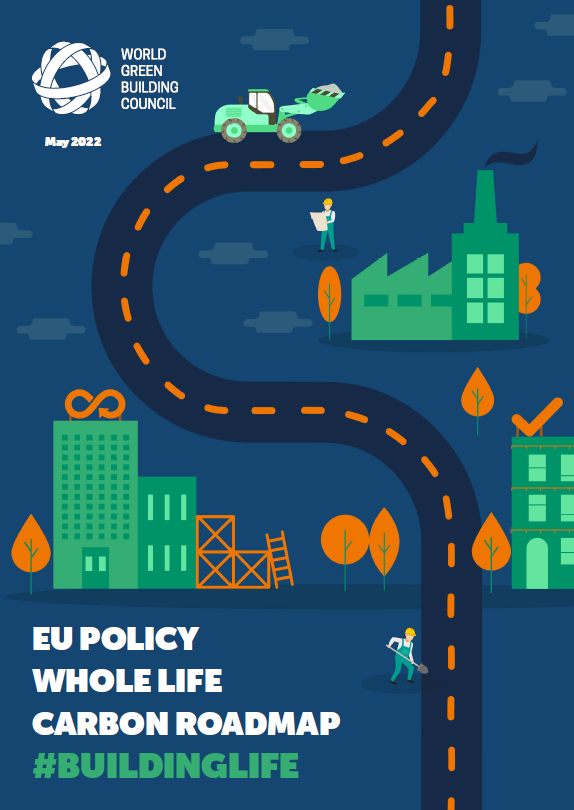
On 24 May 2022, WorldGBC launched the EU Policy Whole Life Carbon Roadmap for buildings as part of the #BuildingLife project.  This Roadmap outlines the key European Union (EU) policy interventions, regulatory measures and tools needed to achieve a decarbonised, circular, resilient and well-designed built environment by 2050. It focuses on measures to address whole life carbon (WLC) at the building level.

Created as part of the #BuildingLife project, this Roadmap provides:

2022-12-09

This volume on the building and construction sector provides an overview of the different sources of GHG emissions from the building and construction sector, as well as methodologies for quantifying these emissions to feed into the preparation and reporting of national GHG inventories. By better understanding the sources of emissions over the whole life cycle of buildings, it thus provides guidance on the most appropriate and effective mitigation strategies and policies for decarbonizing the building and construction sector based on national circumstances.

2022-12-09

10% of emissions from energy come from building materials and construction. We need to rethink how we construct our buildings. From resource-efficient designs with a longer lifetime, circular economy approaches and “urban mining” to increasing the market share of alternative building materials and decarbonising conventional materials like cement and steel, the solutions are there.